
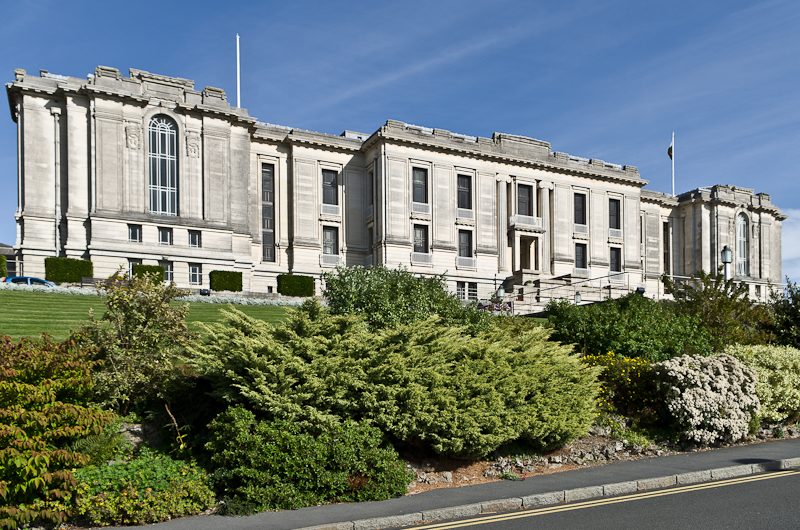
Welsh Newspapers Online begins the countdown at number ten because a geographically focused archive can answer questions that a much larger general search overlooks. The National Library of Wales provides free access to historical newspapers through a collection that includes Welsh and English material. Its current home-research guidance describes articles from 1804 to 1919, while individual title listings show the issues actually available. That distinction matters more than a headline total. The date range of a project does not promise that every local paper, every year or every page has survived and been digitized. Start by connecting your question to the appropriate publication.
For a first session, choose a town and a narrow period instead of searching a common surname across the entire collection. A local notice might identify a street, an employer or a meeting place that makes the next search much more precise. Once you have one reliable detail, widen the investigation deliberately. If a person appears under an initial rather than a full first name, searching an address or an occupation may find another relevant item. This is a suggested research method, not a claim that every newspaper provides the same fields or that every person received a printed notice during their lifetime.
Search across two languages
The bilingual setting is a particular strength. A place or organization may have different forms in Welsh and English, and a reporter may describe the same event through a different vocabulary. Build a short list of plausible names from the period rather than translating a modern phrase once and assuming it is sufficient. Compare the original page when a search result looks promising. An automatic transcription can turn a damaged letter into a different word, while a line break can disguise an otherwise obvious name. The point is to test alternative paths into the evidence without treating a guessed spelling as a historical fact.
A good project might compare how two newspapers describe a local public meeting. Note which participants are named, which concerns appear in the headline and whether the report reads like a summary, an editorial response or an announcement submitted in advance. The differences can reveal the intended readership without proving that one account is automatically correct. Keep your comparison small enough to inspect the actual articles. A carefully documented pair of reports usually supports a stronger explanation than dozens of search hits whose dates, genres and relationships have not been checked. The archive becomes useful through those comparisons, not merely through the size of the result list.
Read the local evidence carefully
Distinguish this resource from subscription newspaper products available inside a library building. The National Library also describes access to other newspaper services, but the conditions of those products should not be imported into Welsh Newspapers Online or generalized in the opposite direction. For remote work, follow the specific collection link and confirm the title and date you need. If a missing period matters, record the gap and consult the institution's catalog or enquiry guidance. Do not fill the missing interval with the assumption that nothing happened. A digitization boundary is a property of your available evidence, not a conclusion about the community's history.
Tenth place reflects the narrower geographic scope under our general starting-point criteria. For research rooted in Wales, that focus can make this the most useful site on the list. Its value lies in bringing ordinary notices and local arguments within reach, not only in helping you find a famous national event. Finish a session by writing one short, defensible conclusion and one unanswered question. For example, a notice may establish that a meeting was advertised for a certain date without proving who attended. That distinction turns an interesting discovery into responsible research and gives you a precise reason to return to the collection.
Source: Welsh Newspapers Online · Welsh Newspapers Online · Welsh Newspapers Online.
Photo: National Library of Wales.jpg · Ian Capper · CC BY-SA 2.0. Archive illustration, not a current website screenshot or a guarantee of collection holdings. Resized and recompressed without cropping; source image license retained.
