
Gallica ranks fifth for connecting French historical newspapers with a broader digital library rather than isolating the press from other kinds of cultural evidence. The Bibliothèque nationale de France and its partners provide newspaper and periodical routes organized by themes and geographic areas, alongside other collections. That makes the resource useful when you know the subject but do not yet know which publication will answer the question. It also requires discipline. A thematic selection is a curated entrance, not a claim that every relevant title has been included or that every issue within a publication is available through the same route.
Begin with the publication's identity. A daily newspaper, a literary review and a clandestine paper can all report or interpret a public event, but their purposes and audiences differ. Gallica's institutional overview explicitly directs readers toward local and regional press, geographic groupings, trench newspapers and Resistance publications. These are helpful ways to discover a source category before choosing a particular item. Once you open an issue, read the title, date and surrounding material carefully. A dramatic headline loses much of its meaning if you have not established whether it belongs to a regular daily, a specialist review or an exceptional wartime publication.
Compare the printed context
A useful research exercise is to compare how two different publications frame one topic. Look beyond whether they mention it. Where is the item placed? Is it presented as breaking news, commentary, satire or a practical notice? Does an image lead the reader toward a particular interpretation? Those questions concern the evidence visible on the page and do not require you to infer the private motives of an editor. Write a description of the observable difference before proposing an explanation. This keeps the analysis grounded and makes it easier to distinguish a persuasive reading from a claim that would require additional historical sources.
Gallica's wider library context can be especially helpful when a newspaper uses an unfamiliar expression or refers to a person without explanation. Another publication may provide context, but its later date or different genre must remain visible. A retrospective account can explain what later writers believed; it is not automatically evidence of what the newspaper's original readers knew. Keep a simple timeline of the sources you consult. That timeline prevents a common error in historical research: silently using later knowledge to make an earlier report appear clearer, more accurate or more deliberate than it was when first printed and read.
Preserve dates and provenance
Free online consultation should also be separated from the conditions for reproducing an image. A library page, a public-domain underlying work and a commercial illustration license are not interchangeable concepts. Follow the current information attached to the item and the institution's reuse guidance when publication is your aim. For ordinary reading, save a stable record and the identifying details before assembling notes or screenshots. A useful extract includes enough of the page to show its context, while your written citation should let another reader find the complete source. A beautiful scan without a recoverable title and date is a weak research souvenir.
Fifth place reflects the strength of this contextual approach, with the more immediately focused newspaper routes above gaining an edge for a general first session. For a French press-history question, Gallica could be the best choice by a wide margin. Choose it when discovering the right publication is part of the work, not just locating a known article. The goal is a richer account of how news appeared in a particular printed environment. If you finish with a better question about a publication's audience, genre or relationship to other sources, that is a useful result even before you have assembled a final historical argument.
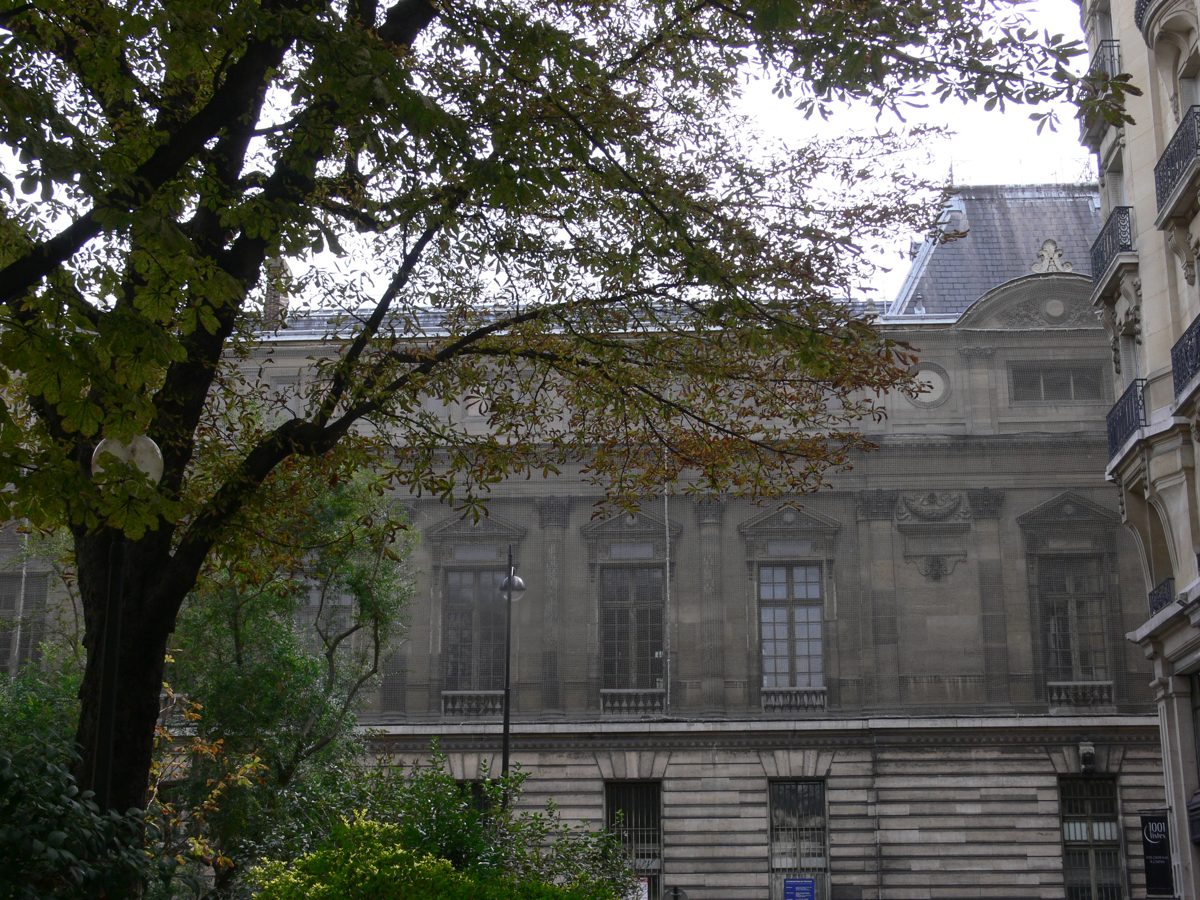
Photo: Bibliothèque nationale de France - site Richelieu - façade rue de Richelieu depuis square Louvois.jpg · Remi Mathis · CC BY-SA 3.0. Archive illustration, not a current website screenshot or a guarantee of collection holdings. Resized and recompressed without cropping; source image license retained.
