
The Biblioteca Nacional de España's Hemeroteca Digital ranks eighth as an important starting point for Spanish historical newspapers and magazines. The current BNE guidance makes a distinction that should shape your expectations from the beginning: publications in open access can be consulted remotely, while current material with intellectual-property restrictions has different consultation conditions. The catalog therefore describes more than the freely readable historical subset. Choose an appropriate title and issue, then check the access actually offered. A search result alone is not a promise that you can open the complete publication from home, nor that every item follows the same reuse conditions.
Start with the kind of publication your question needs. A general newspaper, an illustrated magazine and a specialist periodical can mention the same event for different reasons. If you want to understand public presentation, the arrangement of images and advertisements may matter as much as a report's wording. If you want to establish that an announcement appeared on a certain date, a small notice can be more relevant than a long retrospective article. Define that purpose before collecting material. It prevents a visually attractive page from becoming your main source merely because it is easier to recognize than the evidence the question requires.
Match the publication to the question
Spanish-language searching also rewards attention to names and historical usage. Try an original spelling visible in a relevant issue, an institutional name from the period or a locality rather than relying only on a modern descriptive phrase. Search broadly enough to discover useful vocabulary, then narrow by title and date as your understanding improves. Keep a record of the changes. A search log can explain why an early attempt found nothing and a later one worked. That is more informative than claiming the archive has no material on a subject after one unsuccessful query, especially when the printed page and its automatic text may differ.
For an approachable project, compare a news report with an advertisement from the same issue. The report may describe a public problem, while the advertisement shows how a business imagined its customers or presented a solution. Neither item should be treated as a transparent description of everyone's life. Advertising language is persuasive, and a report may repeat a claim without independently establishing it. Yet the combination can illuminate the vocabulary and priorities of a publication. Write down what each item directly supports and what remains an inference. This produces a useful interpretation without pretending that one newspaper page represents an entire society.
Separate reading from reuse
BNE's current guidance also separates consultation from public reuse. Its instructions for public-domain images specify attribution conditions, while works still under rights require attention to the relevant rightsholders. If you want an illustration for a book, website or exhibition, follow the conditions attached to the actual work and image rather than relying on the word free in a collection description. For personal research, preserve the identifying information before downloading anything. A useful file name can include a short title, issue date and page, but the archive record should remain the reference that explains what the file is and where it came from.
Eighth place reflects a strong specialist route rather than a universal search for every Spanish-language newspaper. Hemeroteca Digital can be the best starting point when your question concerns a title in the BNE's holdings or the relationship between Spanish news and periodical culture. The leaders above it receive an edge under our general first-session criteria, not because Spanish material matters less. Leave the archive with a source you can identify and describe accurately. A page that changes how you understand a phrase, a commercial promise or a local debate is more valuable than a folder of unattributed images collected simply because they looked historical.
Source: Hemeroteca Digital — BNE.
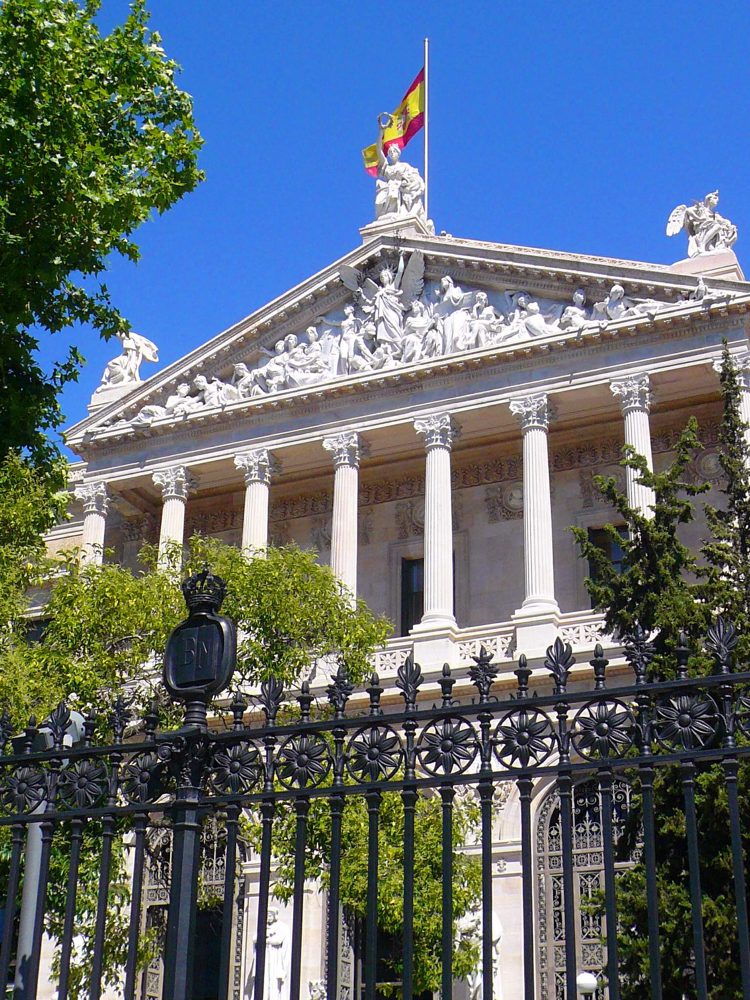
Photo: Madrid - Biblioteca Nacional de España 03.jpg · Zarateman · CC0. Archive illustration, not a current website screenshot or a guarantee of collection holdings. Resized and recompressed without cropping; source image license retained.
