
A published hourly rate is useful only when you understand what it represents. The zenithal hourly rate, usually abbreviated ZHR, describes shower activity under standardized ideal observing conditions, including a very dark sky and the radiant overhead. It is not a reservation for a particular number of meteors in your garden. The distinction matters because headlines often present a single impressive number without explaining the circumstances behind it. Start by identifying whether a source is describing a standardized rate, a local expectation or an actual observation made somewhere else.
Your own visual count includes the conditions of your session. A low radiant, moonlight, artificial skyglow and obstructed views can all reduce what reaches your attention. So can the simple fact that you were looking down at a message when a meteor appeared. These differences do not make your experience invalid; they mean it answers a different question from an idealized activity estimate. Instead of asking why the sky failed to deliver a headline number, ask which conditions were present and which parts of the session were actually spent watching.
Turn a count into a record
For a casual record, note the beginning and end of each observing interval. Keep interruptions separate from time spent looking at the sky. As a purely arithmetic example, ten meteors seen during thirty uninterrupted minutes correspond to twenty per observing hour over that interval. This is an illustrative calculation, not a forecast and not a measurement from this article. It does not convert your observation into a ZHR, and it does not establish that the next thirty minutes will produce another ten. A rate summarizes an interval; it does not schedule individual arrivals.
Avoid multiplying an especially exciting minute into a confident estimate for the whole night. The same problem works in reverse: a short empty interval is a poor reason to announce that a shower has failed. Record what happened before interpreting it. If friends compare counts, first compare where they looked, how long they watched and whether their views were similarly open. Two different numbers may reflect two different observing situations rather than a disagreement about what was in the sky. Clear descriptions are more informative than a competition to report the largest total.
Use comparisons carefully
A useful notebook entry can remain simple. Include the date, location, shower you were hoping to observe, approximate sky conditions, Moon visibility and periods of active watching. Separate an unmistakable meteor from an uncertain flash rather than forcing every sighting into a precise category. Formal observing programs may require additional classifications and specific reporting methods; follow their current instructions if that becomes your goal. A personal record does not need to imitate a scientific report to be worthwhile. It only needs to distinguish observation, uncertainty and interpretation.
This tip ranks tenth because realistic expectations prepare you to use the rest of the list well. It does not make a cloudy sky clear or a bright site dark. It prevents a misleading comparison from spoiling a perfectly understandable result. Use published activity figures to identify possibilities, then judge the outing through the conditions you actually had. Over several sessions, your own notes can reveal which nearby locations and practical arrangements work for you. That is a more useful outcome than treating one rounded headline figure as a promise the atmosphere was obliged to keep.
Source: American Meteor Society.
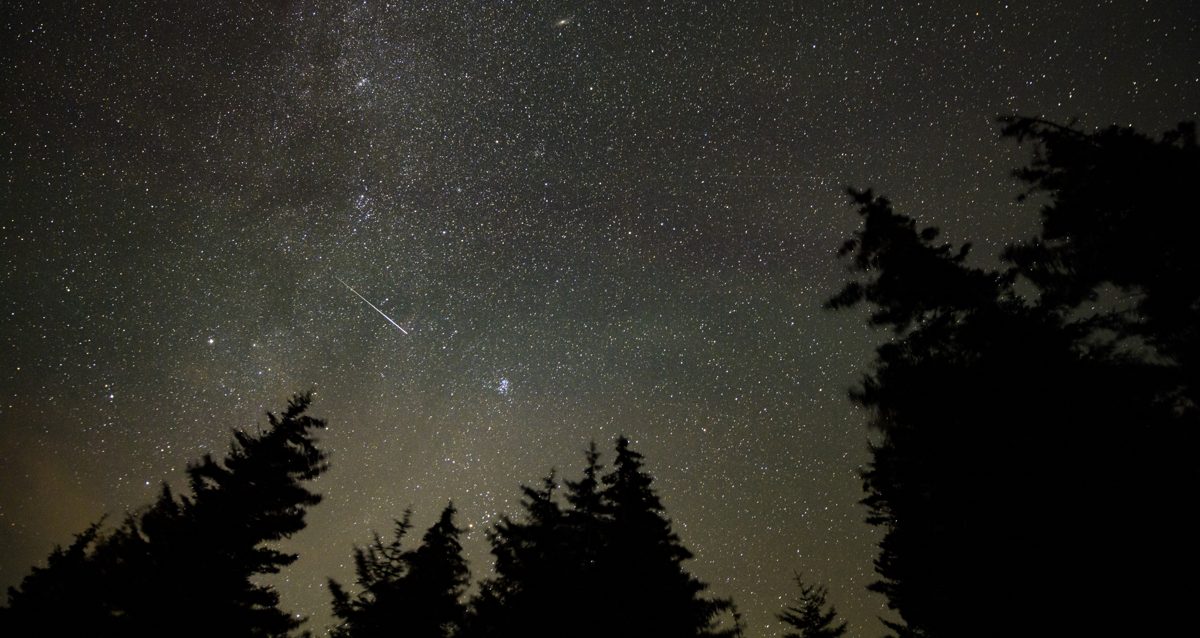
Photo: Perseid Meteor Shower NHQ202108110003 · NASA/Bill Ingalls · NASA media guidelines. U.S. government work; resized and recompressed.