
Meteor watching rewards a different kind of attention from checking whether a scheduled object is present. You are observing brief events across an interval, not waiting for a light to switch on at a precisely agreed second. NASA's Orionid guidance explicitly encourages patience. A few uneventful minutes cannot describe everything that the remainder of a useful window may contain. At the same time, patience is not a guarantee: spending longer outside does not compel a shower to meet a headline rate or overcome poor viewing conditions.
Choose a session that fits your purpose and circumstances. A casual look can be worthwhile, but describe it honestly as a short look rather than a measurement of the entire night's activity. A longer interval gives more opportunity to experience the display, provided you can pay attention and the conditions remain suitable. There is no need to treat an arbitrary duration as a test of commitment. Decide what you can reasonably do, keep an uncomplicated way to finish, and allow the plan to change if clouds, light or the practical setting make continued watching unproductive.
Keep attention and records separate
If you keep a count, separate watching time from other activities. Looking through binoculars, searching a bag, adjusting a camera or walking to another position can all be legitimate parts of an outing. They are not the same as continuously watching your chosen patch. A note of the interruption is more informative than pretending the session was uniform. The purpose is not to criticize a missed meteor; everyone misses things. It is to preserve the context of a number so that you do not later compare different kinds of observation as though they were equivalent.
Resist the temptation to build a dramatic conclusion from a brief burst. An exciting sequence can be memorable without demonstrating the rate for the next hour. A quiet interval can be frustrating without proving that a published forecast was false. The useful sequence is observation first, description second and interpretation afterward. Ask what was actually visible, for how long and under which conditions. If you cannot answer those questions, the sighting may still be a pleasant memory, but it is a weak basis for a confident numerical claim about the shower as a whole.
Learn from the whole session
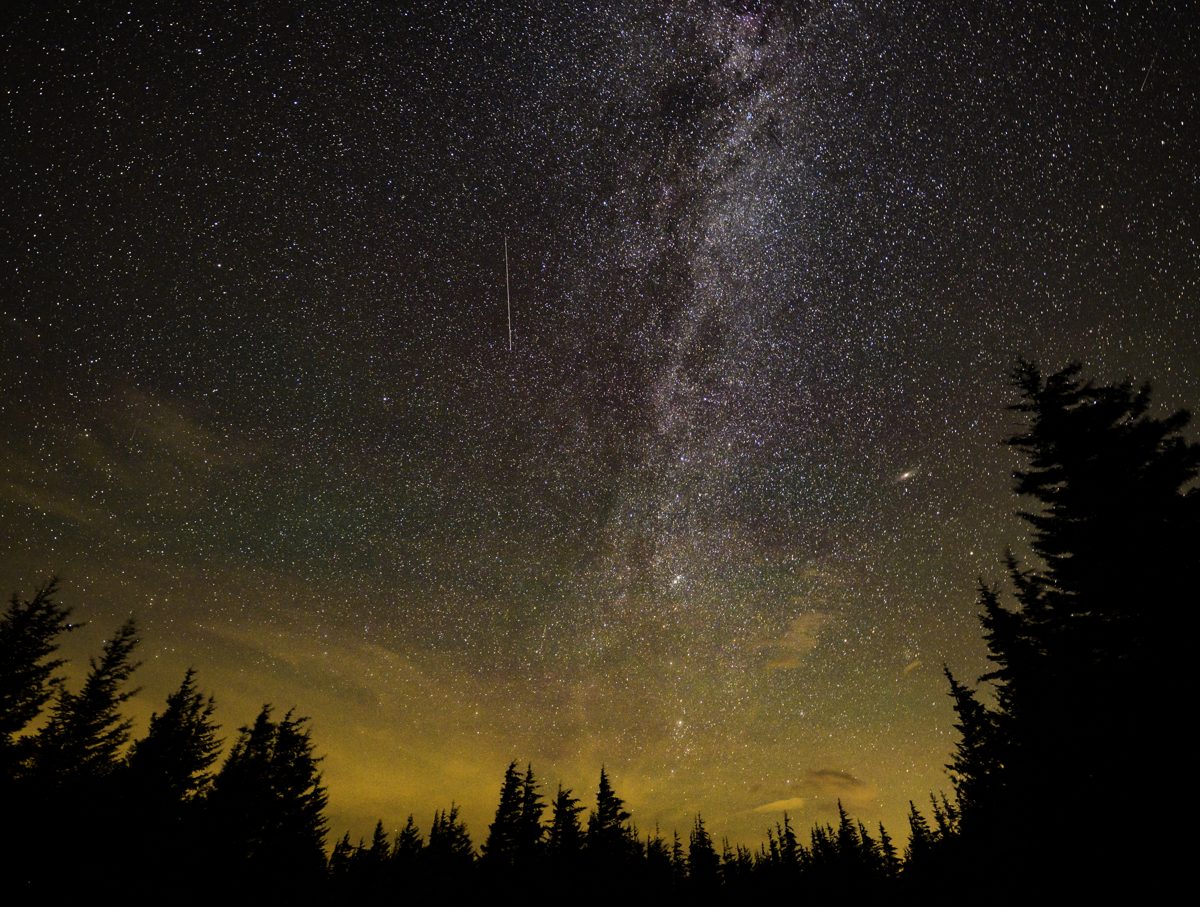
Photographs can make waiting seem less central than it really is. A single selected frame shows a successful moment, while the unsuccessful exposures and intervals between it may be invisible to the viewer. The NASA archive images here record real Perseid meteors in thirty-second exposures, not a continuous procession that every visitor necessarily witnessed. You can appreciate the photograph without making it the standard for your entire evening. If photographing and visual watching are both goals, give each a distinct part of the plan so that operating equipment does not consume all the available attention.
This tip ranks fifth because useful conditions must be given a reasonable chance to produce an experience. It belongs beside the advice on comfort and avoiding unnecessary light, rather than replacing the higher-ranked checks concerning timing and the sky itself. Afterward, note whether you stopped because the conditions changed, the planned interval ended or you simply lost interest. That distinction can improve the next attempt. The aim is sustained, curious watching supported by honest records, rather than either instant disappointment or an obligation to wait indefinitely for a spectacular event.
Source: NASA.
Photo: Perseid Meteor Shower NHQ202108100009 · NASA/Bill Ingalls · NASA media guidelines. U.S. government work; resized and recompressed.