
Comfort is an observing tool because it helps you keep your attention on the sky. A reclining chair, a suitable blanket or another stable resting arrangement can reduce the constant repositioning that interrupts a session. You are not trying to win an endurance contest or reproduce a photographer's dramatic pose. The useful question is whether you can look across a broad area without repeatedly getting up, searching for equipment or changing direction because the arrangement is awkward. Settle those details before the part of the night you most want to watch.
Think about the complete sequence from arrival to departure. Where will the chair go? Can you reach your notes without shining a bright light around? Are bags and other objects placed where you will remember them? A simple arrangement is often more effective than bringing many accessories that compete for space. If you are observing with others, leave enough room for everyone to sit and move comfortably. Agree where shared items belong so that a missing pen or jacket does not repeatedly draw several people's attention away from the sky.
Prepare before looking up
Choose clothing for the location and hours involved, rather than assuming the conditions will match the afternoon. The purpose is to make a reasonable session possible, not to remain outside regardless of how conditions develop. If the environment becomes unsuitable, stop and reassess. It is easier to make that decision when the return route and transport arrangements were considered beforehand. A plan should include an uncomplicated way to finish as well as a way to begin. Comfort loses its value if maintaining the outing becomes the main task.
Prepare the information you expect to need before sitting down. You might keep the observing window, shower name and a few reminders in one accessible note. That is easier to use than reopening several pages and trying to reconstruct the plan in darkness. If you intend to count, arrange a simple recording method that does not require prolonged attention to a screen. If the aim is purely enjoyment, you can keep even fewer records. Let the setup match the purpose instead of allowing equipment to determine what the evening becomes.
Check the view from your seat
Consider the view from the position you will actually occupy. An open-looking field can feel very different once a building edge, tree canopy or nearby light enters the view from a low chair. Adjust before the observing interval starts. A slightly different position may improve both comfort and visibility without changing locations. Do not confuse a comfortable seat with a good sky: this step works alongside the higher-ranked choices concerning clouds, moonlight and darkness. The best chair cannot reveal a meteor behind a roof, but a sensible position can prevent an avoidable obstruction.
This tip ranks ninth because it supports sustained watching rather than changing the shower itself. NASA's Orionid guidance specifically mentions practical items such as a blanket or lawn chair. The broader lesson is to remove unnecessary reasons to stop looking up. After the session, note which items helped and which were unused or distracting. Your next setup can then become simpler and more effective. A successful first attempt does not require specialized furniture or an expensive kit; it requires an arrangement that lets an ordinary observer pay attention to an extraordinary sky.
Source: NASA.
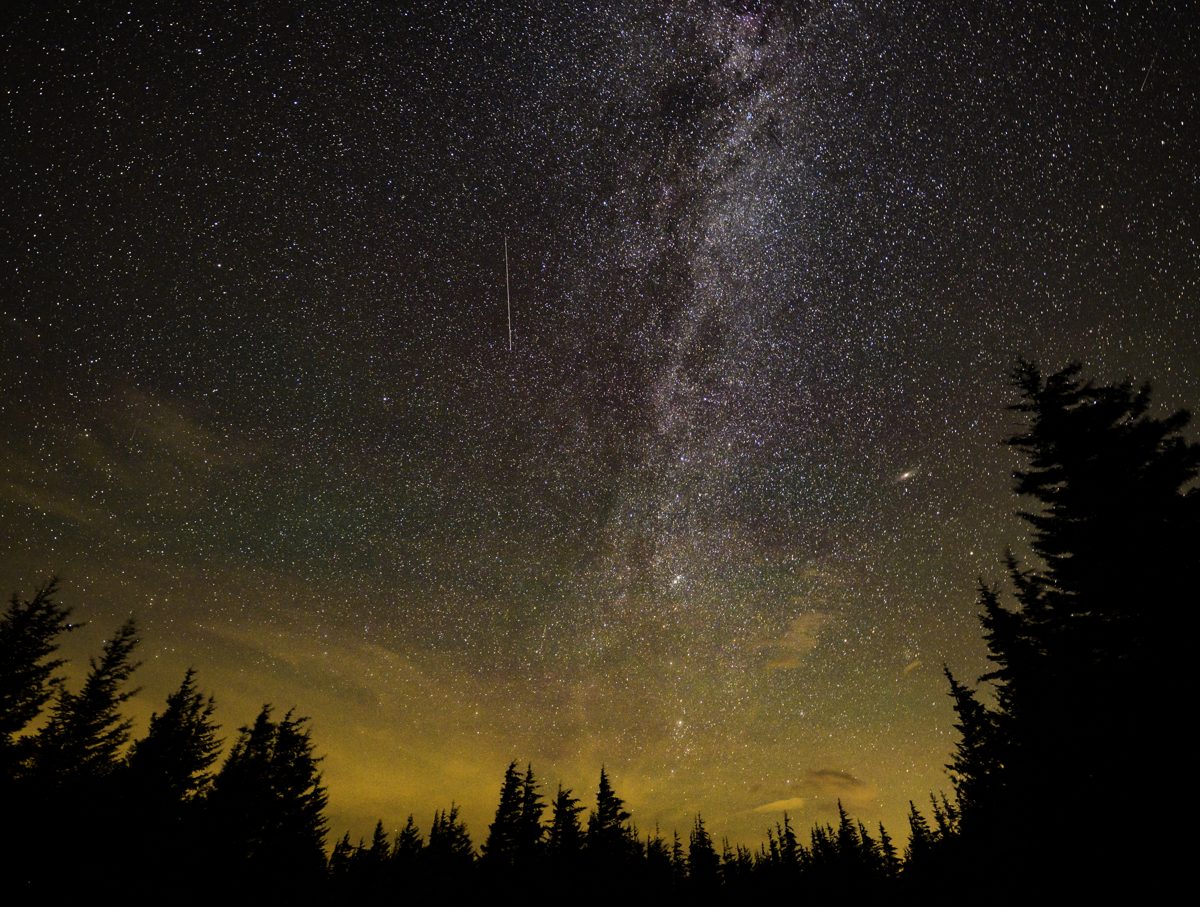
Photo: Perseid Meteor Shower NHQ202108100009 · NASA/Bill Ingalls · NASA media guidelines. U.S. government work; resized and recompressed.