
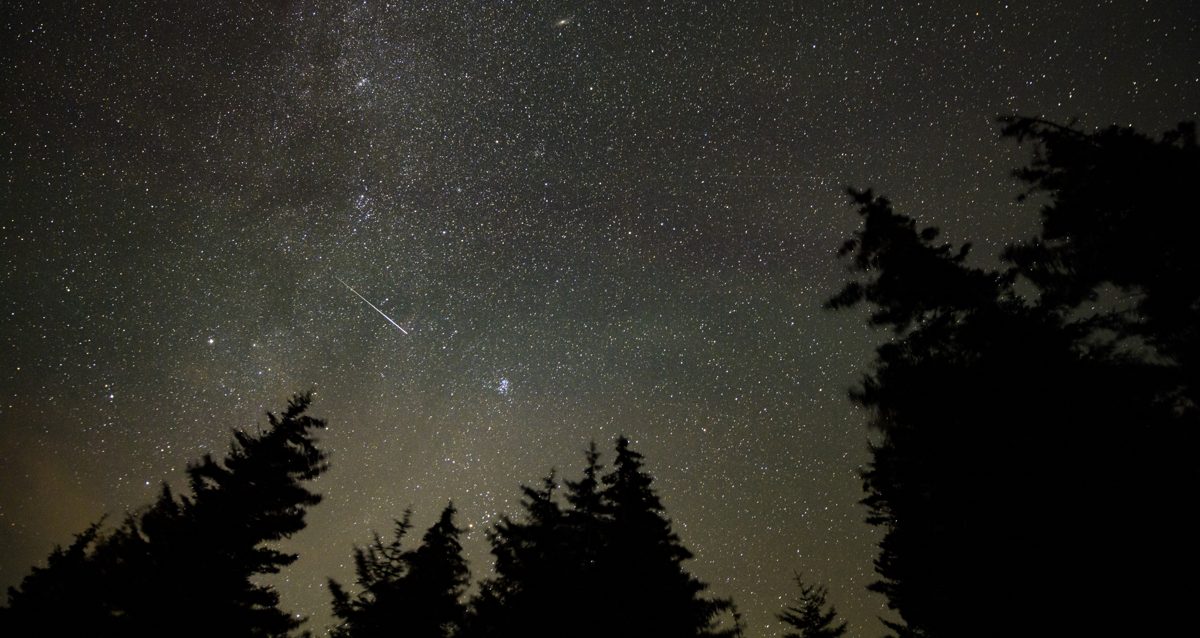
A clear view is a basic requirement for visual meteor watching. It sounds obvious, yet it is easy to spend more time discussing a famous peak than checking whether the sky above the intended site is likely to be visible. NASA's location guide specifically includes weather among the factors to inspect. Look at the place and the hours involved, not simply the conditions outside your home at the moment you begin planning. A distant site after midnight can present a different practical situation from your own neighborhood during a bright afternoon.
Begin with the forecast for the observing area and a period covering travel, setup and watching. A single weather icon may hide changes within that interval, so examine the available time detail rather than treating one symbol as a complete account of the night. The purpose is not to become a professional forecaster or claim certainty. It is to avoid a plan built around conditions that the available information does not support. Keep the date of the forecast in mind, especially if you saved an image or shared a link several days earlier.
Recheck before departure
Recheck before departure. An earlier promising outlook is useful background, not a commitment that the atmosphere must honor. If conditions have changed, compare the realistic alternatives: a different permitted site, another suitable interval or another night within the shower's activity period. Do not invent a clearer destination just because a map offers several nearby names. An alternative should have its own access and sky conditions checked. Sometimes the simplest decision is to remain nearby or stop trying that evening. A well-planned cancellation can be more sensible than a long journey made solely to preserve the original plan.
Once outside, compare the forecast with the sky you actually have. Cloud can obscure part of the view or change during the session. If you count meteors, note those changes instead of describing a partly blocked interval as though the sky remained uniformly open. A lower count under changing cover is not directly comparable with uninterrupted watching under a clear sky. Avoid applying a casual correction factor and presenting the result as a standardized rate. For an ordinary record, a plain description of the limitations is usually more honest and useful than an artificially precise adjustment.
Let conditions guide the decision
Cloud is not the only environmental consideration. NASA also mentions wind, temperature and smoke as factors that can affect the experience. Check the relevant current information for your chosen location and make a practical decision about whether the outing still makes sense. This guide does not issue local weather advice or replace current notices. Its contribution is to keep astronomy planning connected to the real place in which it will happen. A beautifully dark map location and an attractive shower calendar are only parts of that decision, not reasons to ignore a visibly unsuitable sky.
This tip ranks second because a fully covered sky can cancel the benefit of nearly every other preparation. That placement does not claim that darkness is more important than cloud in every situation. The ranking is an order for considering useful improvements, while some conditions can independently rule out a session. Before departure, identify the latest weather information you used and the alternative you would choose if it proved wrong. Afterward, record how the actual sky differed. That habit turns an uncertain forecast into a thoughtful plan rather than a promise of a successful view.
Source: NASA.
Photo: Perseid Meteor Shower NHQ202108110003 · NASA/Bill Ingalls · NASA media guidelines. U.S. government work; resized and recompressed.