
Moon phase matters because a bright Moon raises the sky background and makes faint meteors harder to distinguish. But phase alone does not describe an entire night. The Moon can be above the horizon during one part of your possible session and below it during another. NASA's site-finding guidance therefore recommends checking both the current phase and local rise and set times. This is a more useful approach than labeling every moonlit night hopeless or assuming a favorable phase automatically settles every other observing condition.
Start by checking the Moon's position during the interval you are considering. A calendar picture tells you about illumination, while a local rise-and-set calculation helps establish when the Moon is in your sky. Make sure the calculation uses your location and date. A time copied from another region may not describe the same opportunity. Write the useful interval in the same time convention as the rest of your plan so that a conversion error does not shift the whole outing. Then compare it with the shower's availability and the beginning of morning twilight.
Find the useful overlap
For the 2026 Orionids, NASA's October guide recommends considering the period before dawn after moonset. That is a planning example, not a promise that every observer will have a large, perfectly dark window. Your local overlap may be limited, inconvenient or affected by cloud. Check what exists rather than assuming the recommendation guarantees ideal conditions. If the overlap is poor, you can make an informed decision about a different night or a shorter session. The important improvement is understanding the tradeoff before departure instead of discovering it after reaching the observing site.
If moonlight remains present, choose a comfortable direction away from direct glare where possible. This can improve the immediate viewing arrangement without removing the brightness scattered across the wider sky. A tree or building may hide the Moon itself while leaving the general background bright. Do not confuse blocking a direct light source with turning a moonlit sky into a moonless one. Brighter meteors may still be noticeable, so the situation need not be reduced to a simple all-or-nothing verdict. Adjust expectations to the actual conditions and explain those conditions if you later compare counts.
Use images as illustrations
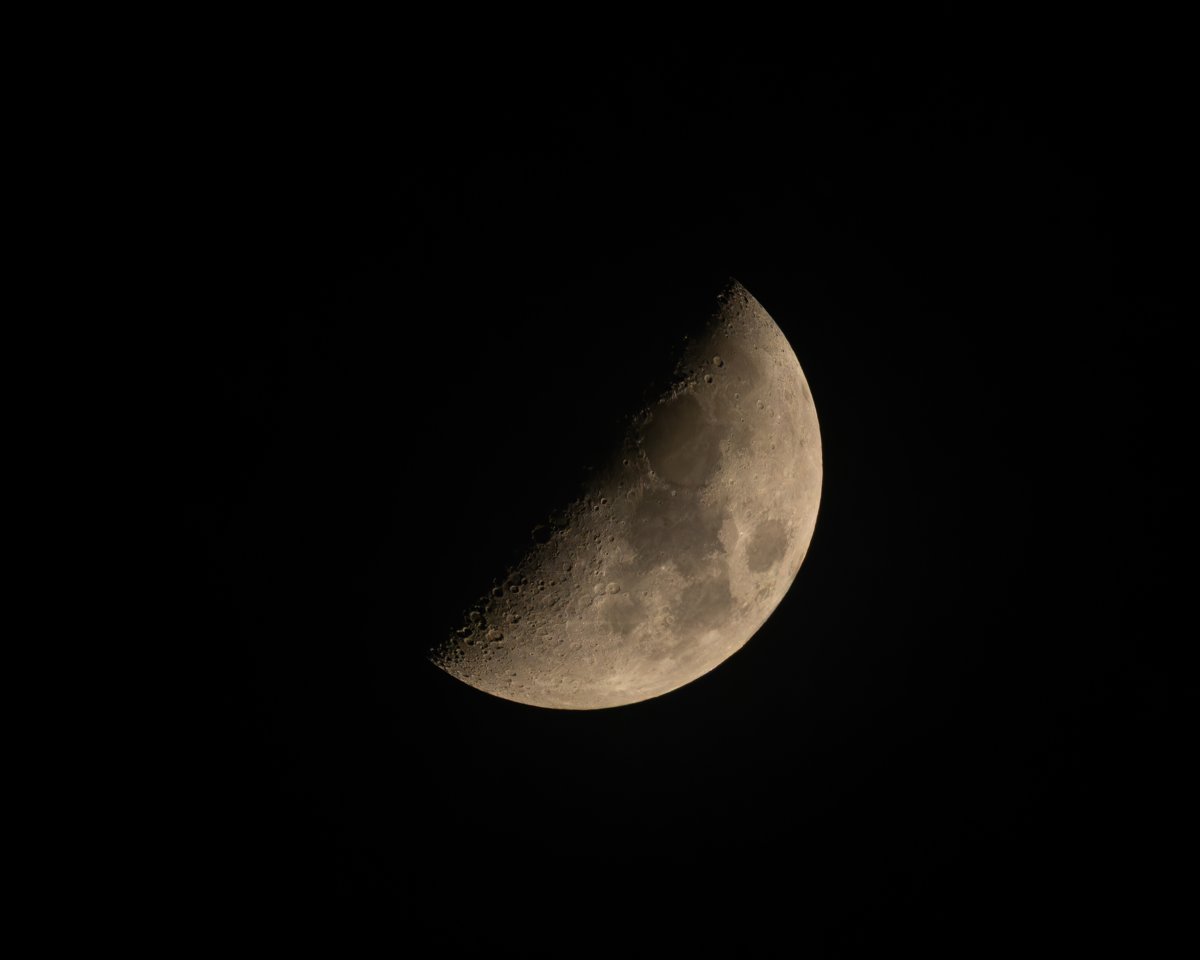
The Moon image used on this page was photographed in September 2026. It illustrates the object being discussed and is explicitly not a depiction of the phase on the Orionid peak night. This distinction matters when looking at astronomical articles: an attractive image can introduce a subject without being an observation made on the date of the advice. Check captions before using a picture as evidence. A close-up also says little about how much skyglow the Moon will create over a particular location during a future observing interval. For planning, use current positional information rather than an illustration.
This tip ranks third because moonlight can change the value of an otherwise dark location. It works together with timing, not as a separate checkbox completed once the phase icon has been seen. Before leaving, be able to explain whether the Moon is expected to be above your horizon, when that changes and what other conditions apply to the same interval. If you cannot yet describe the overlap, the plan needs another look. That modest preparation is more helpful than searching for a universal lunar threshold that promises the same meteor count to every observer.
Source: NASA.
Photo: Paramanu Sarkar · First Quarter Moon in Kurseong September 2026 · CC BY-SA 4.0. Resized and recompressed; same license.
