
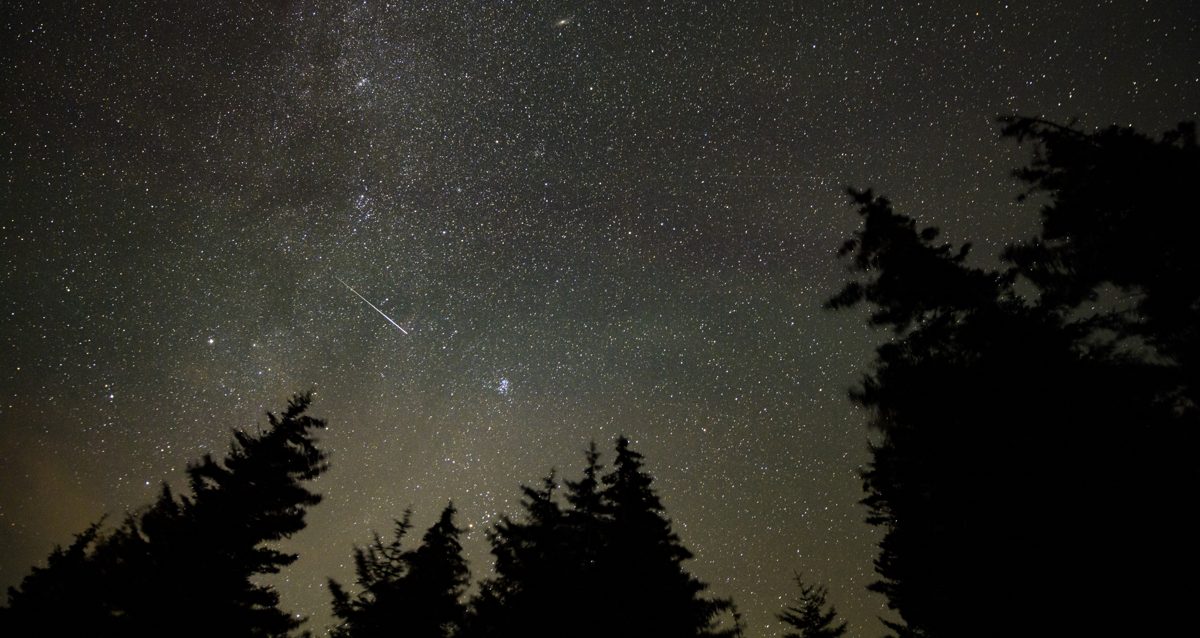
For a meteor shower, the most useful optical system is usually your unaided eyes. This can sound surprising if you associate astronomy with telescopes, but different targets require different ways of looking. A planet remains in a predictable part of the sky long enough to study through an instrument. A meteor is brief and may appear well outside that instrument's field. Magnification can make a small target easier to examine while simultaneously making it harder to notice an event somewhere else. The task, rather than the prestige of the equipment, should determine the method.
Binoculars and telescopes restrict the patch of sky you can inspect at once. That is useful for many astronomical objects, but meteor watching benefits from an open, wide view. You do not know exactly where the next visible streak will cross your field. Trying to steer an instrument toward every sudden movement can turn the session into a sequence of missed opportunities and equipment adjustments. Settle into a broad view and let events enter it. The aim is to notice the sky's activity, not to chase a moving target after it has already appeared.
Give each tool a separate task
This does not mean that bringing binoculars ruins an outing. It means they should serve a separate purpose. You can spend a distinct interval looking at a star cluster and then put the instrument aside for meteor watching. If you are recording a visual count, mark that interval as a break rather than pretending you were continuously watching the same area. Separating the tasks makes both more satisfying. You can enjoy a recognizable target without expecting it to help you detect meteors, and you can return to the shower without continually changing your observing method.
The same distinction applies to cameras. A camera records light according to its field, exposure and settings; your visual experience follows a different process. A photograph can contain detail or a streak that you did not notice at the time. It can also miss a meteor outside the frame even while you see it. Neither outcome proves that one observer was wrong. Decide whether you want to operate a camera, watch visually or alternate between the two. If you alternate, describe the result as alternating activities rather than an uninterrupted personal meteor count.
Prioritize the observing conditions
For a first attempt, spending money on magnification is usually less relevant than selecting the observing conditions carefully. Work through the higher-ranked decisions about the sky, Moon and timing before assuming an accessory will solve the problem. This is not a recommendation for any particular product or a judgment that equipment has no value. It is an argument for matching tools to an objective. The existing binocular guide linked from the introduction is useful precisely because star clusters and other slower targets offer a different kind of observing opportunity.
This tip ranks eighth because it can prevent a beginner from putting effort into the wrong part of the problem. NASA's meteor-viewing guidance emphasizes looking up and taking in the sky. Follow that principle before experimenting with more elaborate arrangements. At the end of a session, ask whether the equipment helped the chosen activity or repeatedly pulled attention away from it. A simple, comfortable, wide-sky view may feel less technical than an eyepiece, but for watching unpredictable streaks it is often the more appropriate way to begin.
Source: NASA.
Photo: Perseid Meteor Shower NHQ202108110003 · NASA/Bill Ingalls · NASA media guidelines. U.S. government work; resized and recompressed.