
A screen is an attempt to delay or prevent an opponent from reaching a desired position without the screener simply handling the ball. It ranks seventh because so much useful basketball happens before the eventual pass or shot. Watching only the dribbler can make an open jumper look effortless. Watching the teammate who created separation reveals a contest over routes, space and timing. The NBA's definitions and Rule 12 distinguish a legal screening position from illegal contact. The most important question is not whether the screener looks perfectly still in one isolated frame.
Imagine a guard trying to follow a shooter around a teammate. If the screener establishes a legal position and the defender has the required opportunity to avoid contact, the obstruction may be legitimate. If the screener moves laterally into that defender after setting the screen and causes illegal contact, the analysis changes. Rule 12 also addresses an opponent who is unaware of the screen and the space needed against a moving opponent. Speed and awareness matter to the available distance. A short beginner summary cannot replace those conditions with the slogan that every moving body is an illegal screen.
Reading the sequence
Separate setting the screen from the next action. A player may set up, make a legal screen, and then roll toward the basket or move into open space. The fact that the player later moves does not by itself prove that the preceding contact was illegal. Conversely, a player can appear to have planted their feet and still cause illegal contact by occupying space without the required allowance. A useful replay starts before the collision, follows the defender's route, and continues through the screener's departure. Starting at the impact removes information you need.
The tactical value comes from forcing choices. In a hypothetical pick-and-roll, one defender follows the ballhandler while a second must decide how far to help. The screener's route toward the hoop can become an option, and a teammate away from the action may become available. None of these outcomes is guaranteed. They illustrate why a legal obstacle can influence several players without requiring a shot or a recorded assist. If you learn to recognize the screen first, the later passing decision becomes easier to understand and less like a spontaneous trick.
What to watch next
The strongest beginner mistake is assigning responsibility from the collision's appearance. The smaller player falling is not automatically the victim of a foul. The larger player remaining upright is not automatically innocent either. Officials assess legal positions and contact, not a contest in who looks more affected. For a spectator, the productive question is what space each player was entitled to occupy at the relevant time. This does not eliminate difficult judgment calls, but it replaces an unreliable visual shortcut with a sequence that can be examined using the rule's actual conditions.
Try watching two consecutive possessions with attention fixed on the player who first approaches a defender without the ball. Follow the setup, contact and release into the next action. Then return to the ball and ask which passing lane or shooting window changed. That exercise rewards ordinary possessions, not only spectacular highlights. A tactical coach might place screens near the top of this ranking because they connect individual technique to team offense. We keep them seventh: they are especially revealing, but the beginner still needs the higher-ranked rules to understand what possession, time and a possible foul will mean after the screen succeeds or fails.
Source: NBA Rule 4 · NBA Rule 12 · 2026–27 official rulebook (PDF).
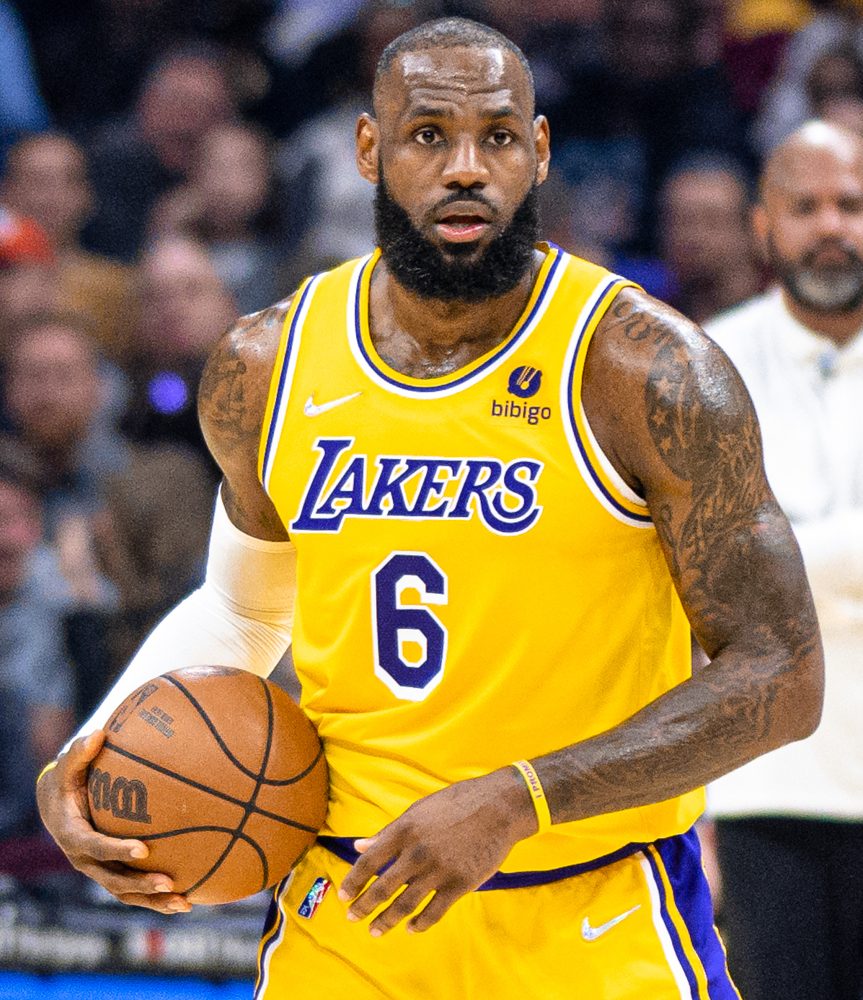
Photo: Erik Drost · CC BY 2.0. LeBron James, 21 March 2022; archive playing context, not evidence of a screen or violation. Optimized local image; resized/recompressed, with any existing source crop retained. No new crop.
