
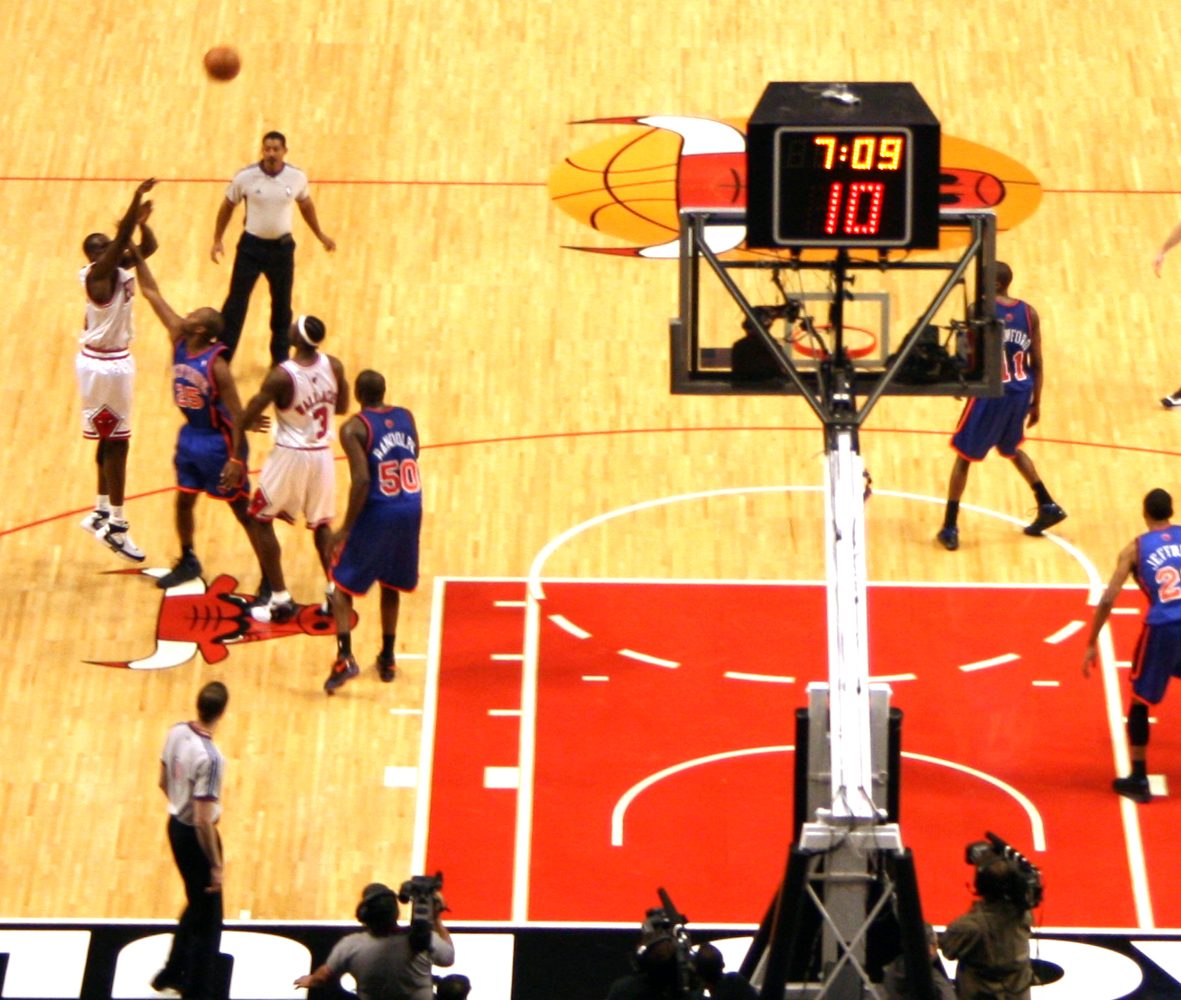
A basketball game can look simple until a whistle changes everything. A defender touches the ball, the clock keeps running, and the attacking team suddenly has only seconds to shoot. Another possession ends with free throws even though nobody attempted a shot. Understanding these moments makes an ordinary broadcast more interesting: you start watching the choices before the highlight, rather than waiting for the ball to reach the basket. This countdown introduces ten NBA rule concepts through the situations they help a new viewer understand. It is a practical reading order, with our most useful explanatory tool at number one.
Our ranking rewards three things: how much of a game a concept helps explain, how clearly it connects an action to its consequence, and how well it prevents a common viewing mistake. These are editorial criteria, not measured statistics about whistles or fan knowledge. Scoring could reasonably come first for someone watching basketball for the very first time. We put the shot clock ahead because, once the basic scoreboard is understood, possession time explains so many decisions that otherwise seem rushed, passive or strange. More specialized replay procedures appear earlier in the countdown despite their importance in a close finish.
Reading the sequence
The scope is NBA basketball under the league's published rules consulted on 21 October 2026. International tournaments, college games and development competitions can use different procedures. Even within the NBA, an introductory explanation cannot replace the full rulebook or the officials' application of it to a particular sequence. Each example here is invented to illustrate a distinction. None describes a disputed real game, and the archive photographs provide basketball context rather than proof that a pictured player committed a violation. Read the linked league sources for the complete wording and exceptions.
Current search interest offers a reason to publish a viewing guide, with an important limit. Our United States, past-seven-days Google Trends comparison showed much stronger relative interest in NBA than in basketball rules. Rising NBA queries included television coverage and specific matchups. That supports a seasonal audience looking for games; it does not establish a surge in people searching for this precise guide. Google Trends' normalized scores are not monthly search volumes, and a rounded zero in a comparison does not prove that nobody searched the smaller term. The topic is an editorial response to that broader viewing interest.
What to watch next
Use the pages as small viewing exercises. On one possession, watch only where the dribbler establishes the ball. On another, watch the screener before looking at the shooter. When a whistle sounds, identify the decision being made before deciding whether you agree with it. Separating possession, timing, contact and scoring produces better questions than treating every interruption as a mysterious foul. If you want a historical companion after the rules, our NBA legends ranking and classic Knicks guide compare players and achievements; they are different discussions from whether a particular play is legal.
You do not need to memorize ten rule numbers to enjoy a game. The useful goal is to recognize the information that could change your first impression: a foot on a line, control established after a deflection, a clock that has not reset, or a defender moving legally before contact. As you work toward our winner, consider your own learning order. Would you teach a newcomer the scoring system, the foul system or possession timing first? The answer can depend on the sport they already know, and that is a sensible reason to disagree with our ranking.
Source: NBA Rule 4 · NBA Rule 5 · NBA Rule 7 · 2026–27 official rulebook (PDF) · Google Trends.
Photo: Gavin J. Dow (Gavindow); source crop/color correction by HITNOM and Adeletron 3030 · CC BY 3.0. NBA shot and game clocks, Chicago, 14 December 2007; archive context, not a ruling on this play. Optimized local image; resized/recompressed, with any existing source crop retained. No new crop.
