
The Louvre in Paris takes first place because our criteria reward breadth across media alongside major works and a powerful destination identity. The museum's visitor trails offer ways to approach a collection that would otherwise be easy to experience as an endless sequence of famous objects. Our verdict is not that a larger museum is always better. It is that the Louvre gives an especially rich opportunity to compare different kinds of artistic making within one carefully limited visit. That opportunity matters only if you choose a route small enough to think about. Range becomes an advantage when it supports comparison, and a burden when it encourages completionism.
Start by deciding which encounter you actually want. A painting-focused route asks different questions from a sequence comparing bodies in sculpture and images. Choose a few anchors through the museum's current collection and visitor information, then let one unfamiliar work interrupt the plan. The interruption is important: otherwise you may be using the building merely to confirm a list prepared elsewhere. Ask what the unexpected object changes about your question. It might make a familiar gesture seem less obvious, draw attention to a material or complicate the assumption that one period supplies a single way of representing people.
A route small enough to think
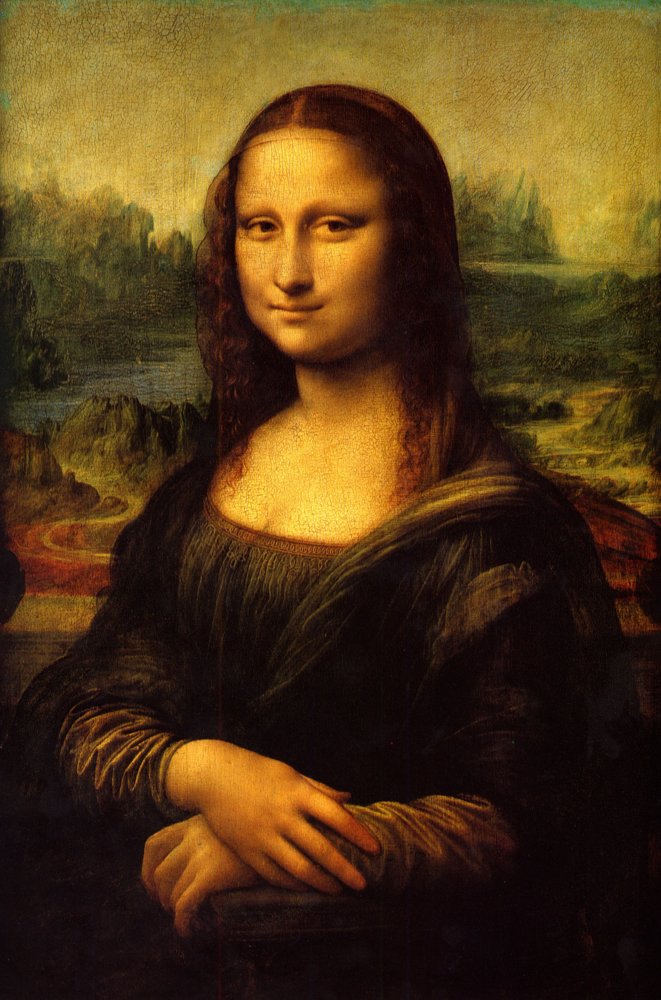
The Louvre's fame can narrow attention just as much as it attracts it. Leonardo's Mona Lisa is a collection landmark, but recognizing a celebrated image is not the only meaningful result available here. If it is central to your visit, check current access and display information, and avoid treating an encounter as a guaranteed private moment. More broadly, do not measure the success of a day by whether reality matches a cropped photograph seen online. A museum visit includes distance, scale, other people and the physical sequence of moving between objects. Those conditions can be part of understanding the work rather than merely obstacles to a perfect image.
Comparing media gives the Louvre its decisive advantage under this ranking. A painted figure and a sculpted figure occupy space differently, and your own movement changes one encounter in ways that may be less relevant to the other. You can explore that distinction without declaring one medium more advanced. Likewise, an object made for use may raise a different set of questions from an image made to be contemplated. Read the institutional context before assuming original purpose or ownership. A broad collection should encourage careful distinctions, not a sweeping story that turns many cultures and periods into stages on one inevitable path toward a single artistic ideal.
The verdict and its limits
The competing cases remain serious. The Prado may be the better choice if sustained comparison among major painters is your goal. The Uffizi may give a Renaissance-focused traveler a more coherent destination, while the Mauritshuis can offer a concentrated visit that remains vivid after a much larger itinerary fades. We choose the Louvre because range, depth and the possibility of crossing media together carry the most weight here. That combination is an editorial judgment with explicit limits. We are not claiming universal access, a definitive world-art survey or a scientifically measured level of emotional impact on visitors.
Finish by checking whether you can explain one comparison in your own language, without borrowing the museum's promotional description. If not, return mentally to a single object and identify a detail you actually noticed. The best argument for first place is not how much you could have seen, but how much useful thinking a chosen route can generate. Consult the Louvre's current visitor trails and practical information before committing to travel, and keep room for changes in display or access. Would you still put the Louvre first when the choice is one museum and one sustained visit? If the Prado or Uffizi wins for you, name the criterion that changes the outcome.
Photo: Leonardo da Vinci · Public domain. Leonardo da Vinci, Mona Lisa, early sixteenth century; collection reproduction, not proof of current access. Existing optimized local image reused unchanged; source license/status retained.
